LEED v5: The Complete Guide to the New LEED Certification System
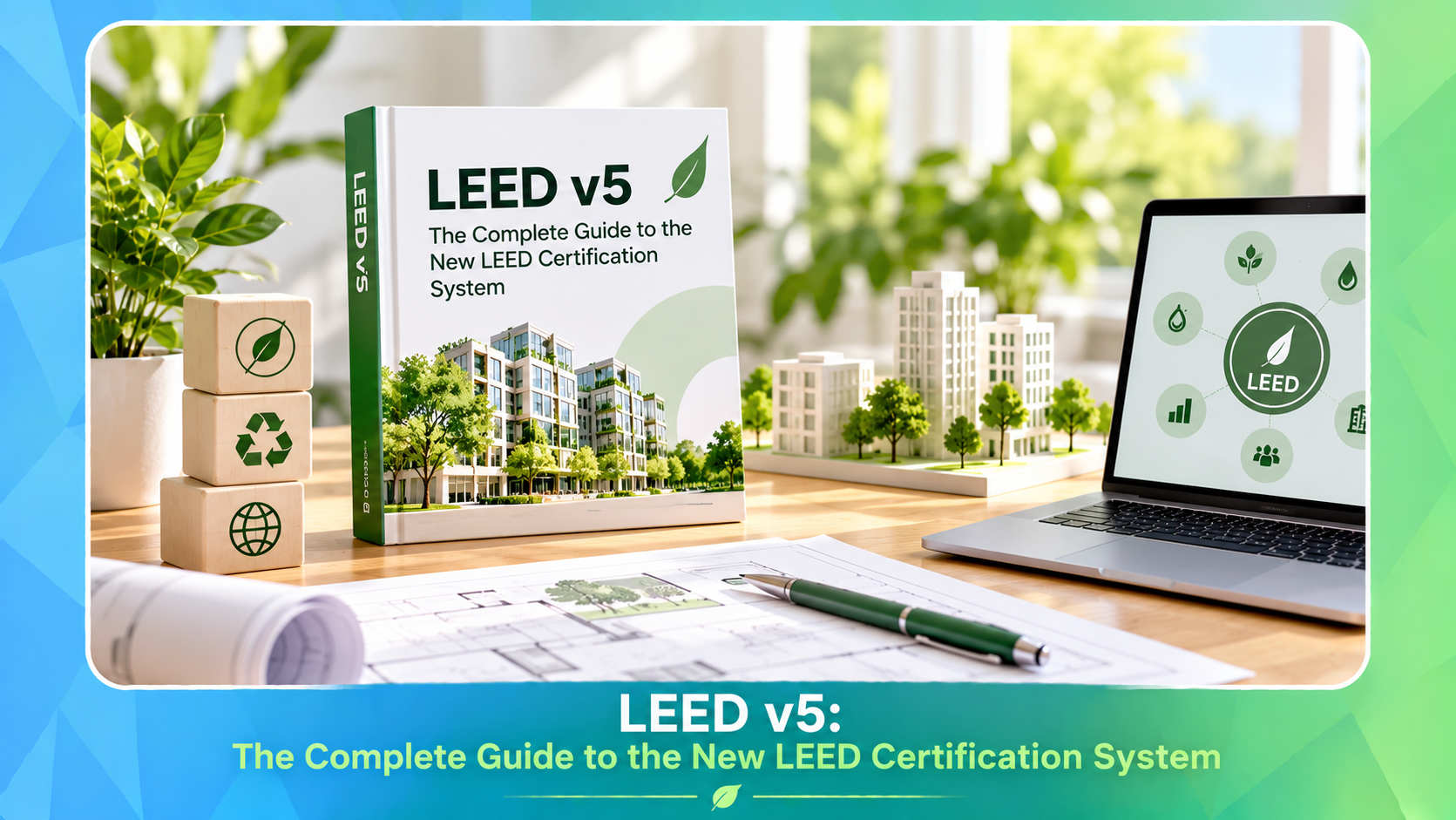
LEED v5: The Complete Guide to the New LEED Certification System
The green building industry is entering a new stage with the introduction of LEED v5, the latest evolution of the LEED green building rating system.
LEED v5 reflects the growing need for buildings to address climate change, reduce carbon emissions, improve energy performance, enhance quality of life, and protect natural ecosystems.
Rather than treating sustainability as a collection of individual credits, the new system places greater emphasis on measurable impact and building performance across the project lifecycle.
The framework is built around three major areas of impact: Decarbonization, Quality of Life, and Ecological Conservation and Restoration.
LEED v5 also supports different project types and lifecycle stages through rating systems such as LEED v5 BD+C, LEED v5 ID+C, and LEED v5 O+M.
For architects, engineers, sustainability professionals, consultants, and candidates preparing for LEED credentials, understanding LEED v5 requirements and changes is becoming increasingly important.
This guide explains the major elements of LEED v5, what has changed, why the new approach matters, and how professionals can prepare for the new generation of LEED certification and exams.
What Is LEED v5?
LEED v5 is the latest version of the LEED green building rating system developed to help projects address environmental performance, human well-being, and ecological impact.
The new version represents more than a simple update to previous LEED systems.
It reflects a broader shift toward measurable outcomes and long-term building performance.
LEED v5 places stronger emphasis on decarbonization, energy efficiency, renewable energy, quality of life, resilience, and ecological conservation.
Another important characteristic is the stronger connection between different stages of the building lifecycle.
Design decisions influence construction.
Construction affects the final building.
Operations determine whether the intended performance is actually achieved.
By connecting these stages through data and performance indicators, LEED v5 encourages project teams to think beyond certification and focus on long-term results.
For professionals preparing for a LEED v5 exam, understanding this philosophy is just as important as learning individual requirements.
What Are the LEED v5 Rating Systems?
LEED v5 includes rating systems designed for different project types and lifecycle stages.
LEED v5 BD+C, or Building Design and Construction, focuses on the design and construction of new buildings and major renovations.
It includes project applications such as New Construction and Major Renovations and Core and Shell Development.
LEED v5 ID+C, or Interior Design and Construction, focuses on interior spaces and projects where the primary scope involves interior construction and design.
LEED v5 O+M, or Operations and Maintenance, focuses on existing buildings and their ongoing operational performance.
This structure reflects an important principle of LEED v5: sustainability is not limited to the moment when a building is designed or constructed.
A building must also perform effectively throughout its operational life.
Choosing the appropriate LEED v5 rating system is therefore one of the first strategic decisions project teams need to make when planning certification.
What Are the Major LEED v5 Changes?
One of the most important questions for professionals is what has changed under LEED v5.
The new system places greater emphasis on measurable impact and real-world performance.
Instead of viewing credits as isolated sustainability actions, LEED v5 connects sustainability with climate, human well-being, resilience, and ecological protection.
The system also places stronger emphasis on carbon reduction, energy efficiency, and renewable energy.
Another important development is the stronger connection between building lifecycle stages.
Performance information and data can play a greater role from design and construction through operations and maintenance.
This encourages teams to think about how sustainability strategies will perform over time rather than focusing only on satisfying requirements at a specific stage.
Understanding these LEED v5 new requirements is particularly important for professionals working on projects that are transitioning to the new system.
What Are the Three Major Impact Areas in LEED v5?
LEED v5 is organized around three major areas of impact: Decarbonization, Quality of Life, and Ecological Conservation and Restoration.
The first is Decarbonization, which addresses emissions associated with buildings, including operational energy, construction and materials, refrigerants, and transportation.
The second is Quality of Life.
This area recognizes that sustainable buildings should not only reduce environmental impacts but also support the people who occupy and interact with them.
It addresses issues related to health, well-being, resilience, equity, and quality of life.
The third area is Ecological Conservation and Restoration.
This focuses on reducing environmental degradation, protecting ecosystems, restoring ecological systems, and creating a more sustainable relationship between buildings and nature.
Together, these three areas expand the definition of green building.
A sustainable project is no longer viewed simply as an energy-efficient building.
It is part of a larger environmental and social system.
LEED v5 Decarbonization and Carbon Reduction
LEED v5 Decarbonization is one of the most important developments in the new system.
Buildings can contribute to carbon emissions through multiple sources.
Operational energy is one component, but emissions can also be associated with materials, construction, refrigerants, and transportation.
This means that effective carbon reduction requires an integrated strategy.
Teams may need to improve building envelope performance, reduce energy demand, select efficient mechanical systems, optimize controls, incorporate renewable energy, and evaluate material-related impacts.
The goal is not simply to reduce electricity consumption.
Instead, project teams need to consider the broader carbon footprint of the building and its lifecycle.
This makes LEED v5 particularly relevant to the growing global focus on decarbonization and net-zero building strategies.
Why Energy Efficiency Matters in LEED v5
LEED v5 Energy Efficiency is a critical topic for both project teams and LEED exam candidates.
Energy efficiency is not simply about installing efficient equipment.
It begins with the way a building is designed.
Building orientation, envelope performance, insulation, glazing, shading, lighting, HVAC systems, controls, and operational strategies can all influence energy performance.
This is why integrated design is so important.
Architects, mechanical engineers, electrical engineers, energy specialists, and sustainability professionals need to collaborate early rather than optimizing systems independently.
LEED v5 also emphasizes performance, making energy measurement and ongoing monitoring increasingly relevant.
For engineers preparing for a LEED credential, understanding the relationship between design decisions, energy efficiency, and actual building performance is more valuable than simply memorizing requirements.
Renewable Energy in LEED v5
Renewable energy is another important element of LEED v5's approach to energy and carbon.
Renewable energy can reduce dependence on conventional energy sources and help lower emissions associated with building operations.
However, renewable energy should not be viewed as a substitute for energy efficiency.
A high-performance building can achieve stronger results when renewable energy is combined with an efficient envelope, optimized HVAC systems, efficient lighting, and intelligent controls.
This integrated approach is consistent with the broader direction of LEED v5, where energy efficiency, renewable energy, and carbon reduction are closely connected.
What Does Quality of Life Mean in LEED v5?
One of the notable developments in LEED v5 is its stronger focus on Quality of Life.
Sustainability is not only about reducing energy consumption or water use.
Buildings are ultimately created for people.
Indoor environmental quality, thermal comfort, air quality, lighting, health, and occupant experience can all influence how people interact with buildings.
LEED v5 expands this perspective by connecting sustainability with health, well-being, resilience, equity, and broader quality-of-life considerations.
This creates a more human-centered approach to green building.
A sustainable building should therefore not only consume fewer resources.
It should also provide a healthier, more resilient, and more supportive environment for its occupants and communities.
Ecological Conservation and Restoration
The third major LEED v5 impact area is Ecological Conservation and Restoration.
Construction can affect land, water, vegetation, biodiversity, and natural ecosystems.
Therefore, sustainable development should consider how projects can reduce ecological impacts and protect or restore natural systems where possible.
This approach expands sustainability beyond the building itself.
The relationship between the project and its surrounding environment becomes part of the sustainability strategy.
As a result, project teams need to consider site conditions, ecological impacts, resource protection, and restoration opportunities when developing sustainable projects.
What Are the LEED v5 Platinum Requirements?
LEED Platinum represents the highest level of LEED certification.
Under LEED v5, higher-performance projects face additional expectations related to areas such as energy efficiency, carbon emissions, and renewable energy.
This reflects the broader direction of the new system toward measurable environmental performance.
Projects targeting Platinum should therefore establish their sustainability strategy early.
Waiting until the end of the project to determine how to achieve the desired level can limit available options and increase implementation challenges.
Early planning allows teams to integrate high-performance strategies into architecture, engineering, materials, energy systems, and operations from the beginning.
LEED v5 and the Building Lifecycle
A major concept in LEED v5 is the stronger connection between different stages of the building lifecycle.
Design, construction, and operations cannot be treated as completely separate processes.
Design determines much of the building's potential performance.
Construction determines whether the design is implemented correctly.
Operations determine whether the building maintains and achieves the intended performance.
This makes data and performance indicators increasingly important.
By connecting information across lifecycle stages, project teams can reduce the gap between design intent and actual building performance.
This is one of the most important principles behind the evolution of LEED v5.
Have LEED Exams Changed With LEED v5?
Professional LEED exams have been updated to align with the new version of the rating system.
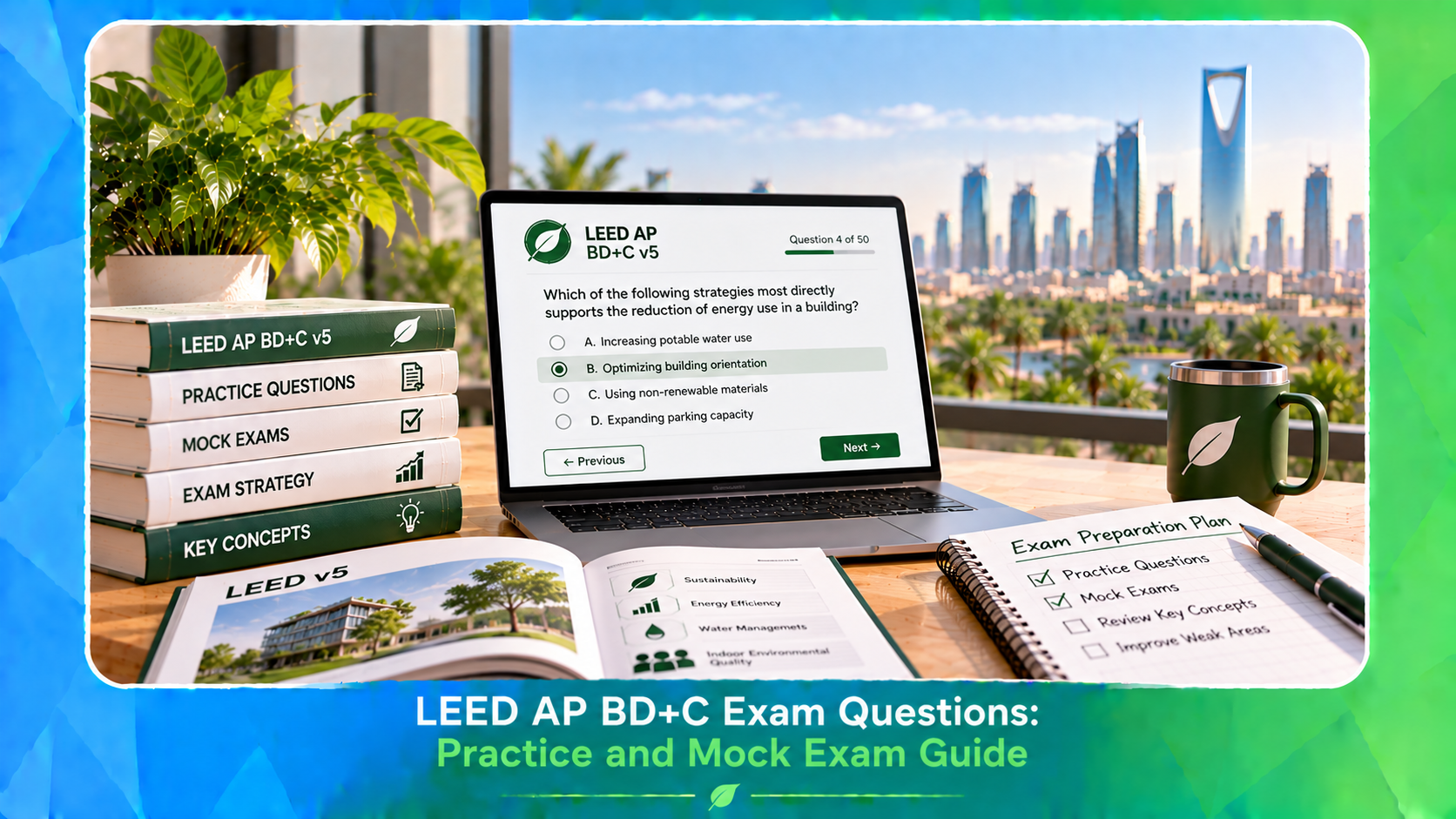
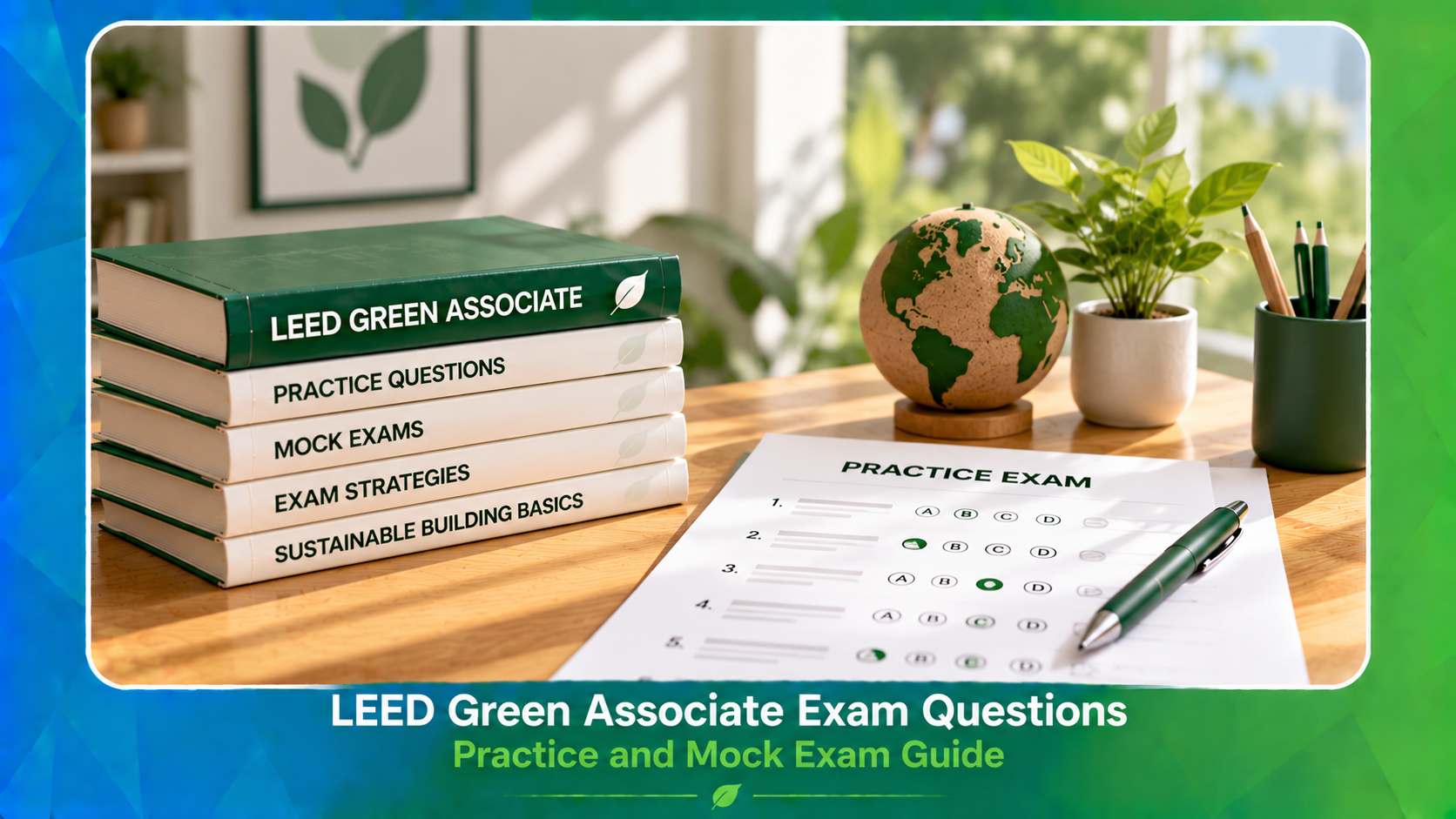
This includes credentials such as LEED Green Associate, LEED AP BD+C, LEED AP O+M, and LEED AP ID+C.
Professionals preparing for an exam should therefore make sure their study materials, practice tests, and training resources match the applicable LEED v5 exam content.
Using outdated study materials can create confusion because previous LEED versions may contain different requirements, terminology, and priorities.
This is why a dedicated LEED v5 Exam Preparation strategy is increasingly important for candidates pursuing the updated credentials.
How Should You Prepare for a LEED v5 Exam?
Preparing for a LEED v5 exam requires more than reading the rating system and memorizing individual credits.
Start by understanding the overall structure and major impact areas.
Then study the detailed requirements and understand how different strategies connect with each other.
Practice tests and mock exams are also valuable because they help candidates identify knowledge gaps and become familiar with question structures.
Candidates should focus on understanding concepts rather than relying on keyword recognition.
Topics such as energy, carbon, water, quality of life, and ecological conservation should be studied as interconnected areas.
The stronger your conceptual understanding becomes, the easier it is to apply LEED principles to different exam questions and project scenarios.
Why Should Engineers Understand LEED v5?
Sustainability is increasingly becoming part of mainstream construction and design.
As a result, LEED knowledge is no longer limited to sustainability consultants.
Architects need to understand how design decisions influence energy and carbon.
Mechanical engineers need to understand HVAC performance and energy efficiency.
Electrical engineers may work with lighting, controls, renewable energy, and building systems.
Project managers need to coordinate sustainability requirements across different disciplines.
For these professionals, LEED Certification for Engineers can become a valuable addition to their technical background and professional development.
How LEED Tricks Can Help You Prepare for LEED v5
As the green building industry moves toward LEED v5, structured training can help professionals understand the new system and prepare for professional credentials.
LEED Tricks provides LEED courses and training designed to help engineers and sustainability professionals understand LEED requirements and prepare for professional exams.
Whether you are beginning with LEED Green Associate or preparing for LEED AP BD+C, structured study, practice tests, and exam-focused training can help you build stronger knowledge of the new system.
If you are planning to develop your career in green building and sustainable construction, understanding LEED v5 today can provide a valuable foundation for future opportunities.
Frequently Asked Questions About LEED v5
What is LEED v5?
LEED v5 is the latest version of the LEED green building rating system, with stronger emphasis on decarbonization, quality of life, ecological conservation, energy performance, and measurable impact.
What are the LEED v5 rating systems?
The major LEED v5 systems include LEED v5 BD+C, LEED v5 ID+C, and LEED v5 O+M.
What are the major LEED v5 changes?
Major changes include stronger emphasis on decarbonization, energy efficiency, renewable energy, quality of life, ecological conservation, and performance across the building lifecycle.
Is there a LEED v5 exam?
Professional LEED exams have been updated to align with LEED v5, including LEED Green Associate and LEED AP with Specialty exams.
Should I study LEED v5 for LEED AP BD+C?
If your exam is based on LEED v5, you should use current study materials and training resources aligned with the applicable LEED v5 exam content.
Conclusion
LEED v5 represents an important evolution in green building certification.
Its focus on Decarbonization, Quality of Life, and Ecological Conservation and Restoration creates a broader approach to sustainability that goes beyond individual credits and certification documentation.
For engineers, architects, consultants, and sustainability professionals, understanding LEED v5 is becoming an important professional skill.
It can help professionals prepare for updated LEED credentials while also developing a deeper understanding of sustainable building performance.
If you are ready to prepare for the next generation of LEED certification, explore LEED Tricks courses, training programs, and practice resources designed to help you build your LEED knowledge and prepare for professional exams.
Start Your LEED Certification Journey with LEED Tricks
Enhance your sustainability skills and get the training you need to prepare for professional certification exams with LEED Tricks courses
LEED Green Associate v5 Full Package
Everything you need to prepare for the exam in one comprehensive package including educational videos study resources flashcards chapter tests and full-length practice exams
Explore the Full Package and Get Started Now
LEED Green Associate v5 Exam Training Package
Ideal for learners who want to focus on practical exam preparation and assess their readiness through chapter tests and full-length practice exams
Explore the LEED Green Associate v5 Course
Learn more about the course content and available packages and choose the training option that best fits your goals
Explore the LEED Green Associate v5 Course
Green Project Manager GPM-b™
Develop your expertise in green project management and get specialized training to help you prepare for the Green Project Manager GPM-b™ certification
LEED AP BD+C | Arabic-English | v4
Prepare for the LEED AP BD+C credential with a bilingual Arabic-English training course designed to help you understand the exam content and prepare effectively
LEED AP O+M | Arabic-English
Enhance your knowledge of sustainable building operations and maintenance and prepare for the LEED AP O+M exam with Arabic-English training
Explore the LEED AP O+M Course
Choose the Right Course and Get Started Today
Whether you are preparing for your first LEED Green Associate certification looking to specialize as a LEED AP or aiming to develop your green project management skills LEED Tricks provides the training and resources you need to prepare with greater confidence structure and effectiveness
Take your next step toward a career in sustainability today
Latest posts
Copyright | LEED-Tricks All Rights Reserved . Made with MiskIts